



If you edit 4K footage or work to tight deadlines, prioritize a dedicated graphics card, a capable processor, and room to expand memory and storage. For lighter projects, the listed everyday laptops cost less in features but have modest processors and integrated graphics, so they are a different fit. This guide to the best laptops for video editors helps you weigh those trade-offs and check whether a model suits your editing software and workflow.
Compare at a glance
| Product | Brand | Size | Weight | Stands out for | Price |
|---|---|---|---|---|---|
| 1 Vansuny 1TB Portable External SSD | Vansuny | 3.38 × 1.41 × 0.28 in | 0.1 lb | Compact, lightweight form | Check price |
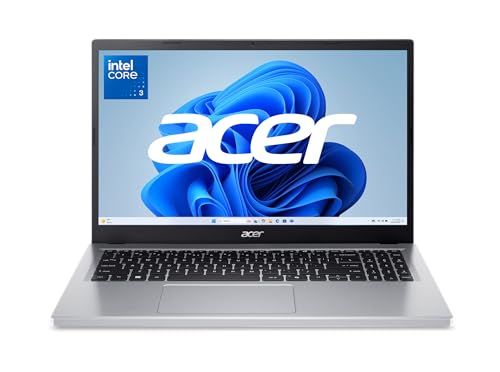
| 2 Acer Aspire Go 15, 15.6-inch FHD | Acer | 14.29 × 0.78 × 9.44 in | 3.8 lb | 15.6-inch FHD IPS display | Check price |
| 3 DRKAKO 15.6-Inch Laptop, 12GB RAM | drkako | 14.09 × 9 × 0.79 in | 3.7 lb | Full HD IPS display | Check price |
| 4 TRHRO 15.6-Inch Laptop, 12GB RAM | TRHRO | 14.1 × 9.2 × 0.8 in | 3.5 lb | Full HD IPS anti-glare display | Check price |
| 5 RIANIFEL 15.6-Inch Laptop, 16GB RAM | RIANIFEL | 14 × 9.2 × 0.75 in | 4.862E-6 pounds | Full HD IPS display with 300-nit brightness | Check price |
| 6 Dell 11-Inch Touchscreen Convertible Laptop | Dell | 11.8 × 8.08 × 0.95 in | 4 lb | 11-inch IPS touchscreen | Check price |
| 7 SMJ Designs Video Editor Pack Sticker, 5-Inch | SMJ Designs | Not listed | Not listed | Works on laptops and other smooth surfaces | Check price |
| 8 YANBORONSN 80Gbps USB-C Flat Cable | YANBORONSN | Not listed | Not listed | Compact 67 mm length | Check price |
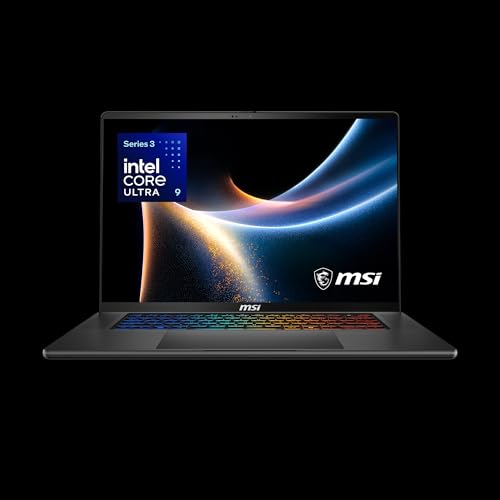
| 9 ASUS ROG Strix G16 RTX 5070 Ti Laptop | ASUS | 13.94 × 10.39 × 0.89 in | 5.5 lb | Ryzen 9 8940HX with 16 cores | Check price |
Sizes and weights as listed by the manufacturer on Amazon. Check the retailer for current price and availability.
Pros
- Compact, lightweight form
- 1TB storage capacity
- Includes adapter, cable, and storage bag
- Compatible with Windows, Mac OS, and Android
Cons
- Who should skip it: buyers requiring verified sustained transfer speeds
Best for light projects
Pros
- 15.6-inch FHD IPS display
- Two full-function USB-C ports
- Wi-Fi 6 connectivity
- HDMI 2.1 output
Cons
- Who should skip it: users needing larger local storage
Pros
- Full HD IPS display
- 12GB RAM and 256GB SSD
- 180-degree lay-flat hinge
- Multiple connection options
Cons
- Office 365 included for one year
- Who should skip it: users needing intensive computing

Pros
- Full HD IPS anti-glare display
- 12GB of RAM
- Multiple USB ports and HDMI
- Physical camera privacy slider
- 3.5 lb stated weight
Cons
- 128GB SSD may limit space for files and applications
- Who should skip it: users with demanding workloads

Pros
- Full HD IPS display with 300-nit brightness
- 16GB RAM and M.2 SSD
- Preinstalled Windows 11 and Office 2024
- Physical webcam privacy cover
- Numeric keypad and four built-in speakers
Cons
- 256GB SSD may be limiting for large file libraries
- Who should skip it: users needing more demanding computing performance

Pros
- 11-inch IPS touchscreen
- Convertible laptop design
- Windows 11 included
Cons
- 128GB SSD limits local storage capacity
- Who should skip it: users with demanding workloads

Pros
- Works on laptops and other smooth surfaces
- 6 mil vinyl construction
- Designed for outdoor use
Cons
- Who should skip it: shoppers seeking functional PC accessories

Pros
- Compact 67 mm length
- Flat cable with a right-angle plug
- Stated 240W charging support
- Stated 80Gbps data and 8K video support
Cons
- Who should skip it: users needing a longer cable
Best for demanding editing

Pros
- Ryzen 9 8940HX with 16 cores
- RTX 5070 Ti with 12GB GDDR7
- 165Hz display with 100% sRGB coverage
- Memory and storage upgrade support
Cons
- 5.51-pound weight limits portability
- Who should skip it: travelers seeking a lighter laptop
Dedicated Graphics and High-End Workloads: ASUS ROG Strix G16 Gaming Laptop
For demanding editing and GPU-heavy tasks: ASUS ROG Strix G16 Gaming Laptop combines an RTX 5070 Ti with 12GB of GDDR7 graphics memory, a Ryzen 9 8940HX, and a 16-inch WUXGA screen. The listed 16GB of RAM and 1TB SSD are useful starting capacities, and the product page says memory can be expanded to 64GB and storage to 4TB. Its discrete GPU makes it the most clearly equipped laptop here for demanding creative workloads, but verify the editing software’s requirements and the screen’s color needs before buying.
Skip it if you need a low-cost, lightweight everyday laptop or want a higher-resolution screen than the listed WUXGA panel.
For Basic Editing on a Tight Budget: Acer Aspire Go 15, 15.6-inch FHD
For light projects and general computing: Acer Aspire Go 15, 15.6-inch FHD has a 15.6-inch Full HD IPS display, an Intel Core 3 N355 processor, 8GB of DDR5 memory, and 128GB of UFS storage. It has two full-function USB-C ports and HDMI 2.1, but its integrated Intel graphics and limited listed storage are constraints for demanding footage or large project libraries. Treat it as an entry-level everyday laptop, not a substitute for a discrete-GPU editing system.
Skip it if your projects need substantial graphics acceleration, memory, or local storage.
For More Listed Memory at an Entry-Level Price: Acer Aspire Lite 15, 16GB RAM
For light editing alongside office work: Acer Aspire Lite 15, 16GB RAM lists 16GB of RAM, a 256GB NVMe SSD, and a 15.6-inch Full HD IPS touchscreen. Its Intel Core N150 processor is a 4-core, 4-thread, 15W part, and the listing does not specify a discrete GPU, so this configuration is better suited to light tasks than demanding editing. Check software requirements and whether 256GB provides enough working space for your projects.
Skip it if your workflow depends on GPU-heavy effects or you need substantially more listed storage out of the box.
Key Numbers at a Glance
- Graphics memory: 12GB GDDR7 on the ASUS ROG Strix G16 Gaming Laptop; the other laptop listings here do not specify a discrete GPU.
- Listed memory: 16GB on the ASUS ROG Strix G16 Gaming Laptop and Acer Aspire Lite 15, 16GB RAM, compared with 8GB on the Acer Aspire Go 15, 15.6-inch FHD.
- Listed internal storage: 1TB SSD on the ASUS ROG Strix G16 Gaming Laptop, 256GB NVMe SSD on the Acer Aspire Lite 15, 16GB RAM, and 128GB UFS on the Acer Aspire Go 15, 15.6-inch FHD.
- Display size: 16 inches on the ASUS ROG Strix G16 Gaming Laptop and 15.6 inches on the Acer Aspire Lite 15, 16GB RAM and Acer Aspire Go 15, 15.6-inch FHD.
How to Choose a Laptop for Video Editing
Processor and graphics for your editing workload
Bottom line: For demanding timelines and GPU-heavy effects, prioritize a listed discrete graphics card and a strong processor. The ASUS ROG Strix G16 Gaming Laptop pairs an RTX 5070 Ti with a 16-core, 32-thread Ryzen 9 8940HX, according to its product page. The Acer Aspire Go 15, 15.6-inch FHD lists an Intel Core 3 N355 and Intel integrated graphics, while the Acer Aspire Lite 15, 16GB RAM lists a 4-core, 4-thread Intel Core N150. Match the laptop to your editing software’s published requirements, and do not assume an everyday processor is suitable for complex effects or high-resolution footage.
Memory and upgrade options
Bottom line: Check both installed memory and documented upgrade support before buying. The ASUS ROG Strix G16 Gaming Laptop lists 16GB and support for up to 64GB of DDR5 RAM; the Acer Aspire Lite 15, 16GB RAM lists 16GB, while the Acer Aspire Go 15, 15.6-inch FHD lists 8GB DDR5. The product details do not state whether memory is socketed or soldered on these Acer models, so verify the exact configuration and upgrade policy with the manufacturer before relying on a future memory upgrade.
Storage for footage and project files
Bottom line: Allow for active projects as well as the operating system and apps. The listed internal storage ranges from 128GB UFS on the Acer Aspire Go 15, 15.6-inch FHD to a 1TB SSD on the ASUS ROG Strix G16 Gaming Laptop. The Vansuny 1TB Portable External SSD lists USB 3.1 Gen 2 connectivity and read and write speeds of up to 500MB/s and 450MB/s, respectively. Those are manufacturer figures, not a guarantee of sustained transfer speeds; confirm the laptop’s ports, project-drive requirements, and backup plan before using an external drive as working storage.
Display size, resolution, and color
Bottom line: Choose a screen that fits your timeline workspace and color-checking needs. The ASUS ROG Strix G16 Gaming Laptop lists a 16-inch WUXGA display with 100% sRGB coverage and a 165Hz refresh rate. The Acer Aspire Go 15, 15.6-inch FHD and Acer Aspire Lite 15, 16GB RAM list 15.6-inch Full HD IPS screens, but their product details do not state color coverage. If accurate color work matters, verify the screen’s coverage and calibration options rather than treating IPS or Full HD alone as proof of color suitability.
Ports, external displays, and desk setup
Bottom line: Match the laptop’s actual ports to your monitor, storage, and other gear. The ASUS ROG Strix G16 Gaming Laptop lists two USB-C 4 ports, HDMI 2.1, and two USB-A 3.2 ports; the Acer Aspire Go 15, 15.6-inch FHD lists two full-function USB-C ports and HDMI 2.1. USB-C capability varies by device and port, so confirm supported display output, data rates, and charging before choosing a dock or cable. For a larger screen at a stationary desk, compare options in our monitor category.
How We Compared These Products
This guide is based on product research, comparing the listed processors, graphics, memory, storage, screens, ports, and stated upgrade information. Customer feedback data and firsthand evaluation are not used to establish performance claims here, so treat manufacturer specifications as claims and verify important configuration details with the seller or manufacturer. See our editorial research method for more about how Smart PC Finds approaches product coverage.
Which Option Fits Your Editing Setup?
For demanding editing, the ASUS ROG Strix G16 Gaming Laptop is the clearest fit in this selection because it lists a discrete RTX 5070 Ti, a Ryzen 9 processor, and upgrade support up to 64GB of memory. For lighter projects mixed with general work, compare the Acer Aspire Lite 15, 16GB RAM and Acer Aspire Go 15, 15.6-inch FHD carefully, particularly their storage and graphics limitations. If your budget is the main constraint, our best laptops under $300 guide offers another comparison, but check whether any model meets your editing software’s requirements.
Mistakes to Avoid When Choosing a Video Editing Laptop
- Choosing by RAM alone. Compare the processor and graphics too; 16GB of memory does not make an entry-level processor equivalent to a system with a discrete GPU.
- Ignoring project storage. Compare internal capacity with your footage and active projects, then confirm the laptop supports the external drive connection you plan to use.
- Assuming USB-C guarantees a monitor connection. Check the specific laptop port’s display-output support and the monitor’s input requirements.
- Reading a refresh rate as a color specification. A 165Hz screen does not by itself establish color accuracy; verify stated color coverage when grading matters.
Frequently Asked Questions
What specifications matter most in a video editing laptop?
Start with the processor and graphics support required by your editing software, then consider memory, storage, and display needs. The ASUS ROG Strix G16 Gaming Laptop lists a discrete RTX 5070 Ti and Ryzen 9 8940HX, while several lower-cost models in this guide list integrated graphics or entry-level processors.
Is 8GB of RAM enough for video editing?
Suitability depends on your editing application, footage, and project complexity. The Acer Aspire Go 15, 15.6-inch FHD lists 8GB, so check your software’s requirements before choosing it for editing rather than general computing.
Can I edit video on a laptop with integrated graphics?
Some editing applications and lighter workflows can run on integrated graphics, but capability depends on software and project demands. The Acer Aspire Go 15, 15.6-inch FHD lists Intel graphics; the product details do not establish performance for a particular project, so compare its configuration with your application’s requirements.
Is an external SSD useful for video editing?
An external SSD can add portable storage when the laptop’s internal capacity is limited. The Vansuny 1TB Portable External SSD lists USB 3.1 Gen 2 and up to 500MB/s read and 450MB/s write speeds; verify your laptop’s compatible connection and whether the drive suits your editing workflow.
Do these laptops support an external monitor?
The product details list HDMI 2.1 on the ASUS ROG Strix G16 Gaming Laptop and Acer Aspire Go 15, 15.6-inch FHD. The Acer Aspire Lite 15, 16GB RAM lists HDMI 2.1 and full-function USB-C. Confirm the exact display output and monitor connection requirements for your chosen configuration before buying a cable or dock.
Can I upgrade a laptop’s memory or storage later?
The ASUS ROG Strix G16 Gaming Laptop lists support for up to 64GB of memory and 4TB of PCIe SSD storage. Upgrade details for the other laptops are not stated clearly in the product information, so check the manufacturer’s documentation for the exact model before planning an upgrade.





Write Your Review
No reviews yet. Be the first to share your experience!