


If you play competitive games on the go, match the laptop’s graphics and screen refresh rate to your games before you buy: an RTX 5060 model with a 165Hz or 180Hz display is a different proposition from an everyday laptop with integrated graphics. This guide to the best gaming laptops for esports compares screen speed, GPU class, memory, and connections so you can choose a machine that fits your workload and gear.
Compare at a glance
| Product | Brand | Size | Weight | Stands out for | Price |
|---|---|---|---|---|---|
| 1 ASUS ROG Strix G16 RTX 5060 Laptop | ASUS | 13.94 × 0.9 × 10.55 in | 5.8 lb | Intel Core i7-14650HX processor | Check price |
| 2 Acer Nitro V 16S Gaming Laptop, RTX 5060 | Acer | 14.08 × 0.79 × 10.39 in | 4.6 lb | 180Hz display with 100% sRGB coverage | Check price |
| 3 KAIGERR Gaming Laptop, Ryzen 7430U, 16-inch | KAIGERR | 14.07 × 9 × 0.66 in | 3.9 lb | 16GB memory and 512GB NVMe SSD | Check price |
| 4 CHIFUYOU 15.6-Inch Laptop, 16GB RAM | CHIFUYOU | 14 × 9 × 0.8 in | 3.5 lb | 16GB RAM and 512GB SSD | Check price |
| 5 Alienware 16 Aurora RTX 5050 Laptop | Alienware | 10.45 × 14.06 × 0.73 in | 5.5 lb | 16-inch WQXGA 120Hz display | Check price |
| 6 HP Victus 15.6-Inch Gaming Laptop, 144Hz | HP | 20 × 4 × 10.8 in | 7 lb | 144Hz Full HD IPS display | Check price |
| 7 ASUS ROG Strix G16, Ryzen 9 9955HX | ASUS | 13.94 × 1.2 × 10.39 in | 5.5 lb | 16-core Ryzen 9 processor | Check price |
| 8 MALLRACE Ryzen 7 15.6-Inch Laptop | MALLRACE | 13 × 8 × 0.5 in | 1.8 kg | 16GB RAM and 512GB NVMe SSD | Check price |
| 9 Lenovo LOQ Gaming Laptop, RTX 4050 | Lenovo | 14.17 × 10.19 × 0.86 in | 5.3 lb | 144Hz FHD IPS display | Check price |
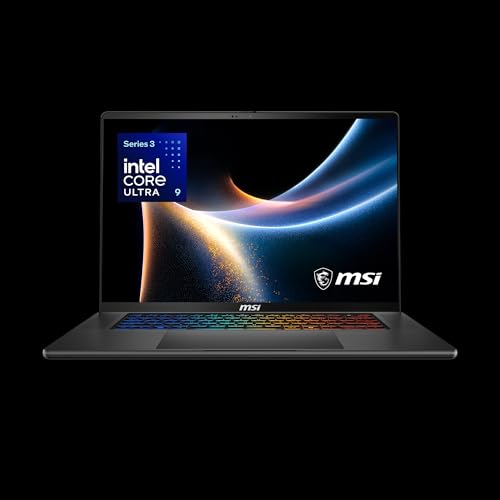
| 10 MSI Cyborg 15 AI Gaming Laptop, RTX 5060 | msi | 14.15 × 9.66 × 0.91 in | 4.3 lb | RTX 5060 graphics with 8GB GDDR7 | Check price |
Sizes and weights as listed by the manufacturer on Amazon. Check the retailer for current price and availability.
Pros
- Intel Core i7-14650HX processor
- 165Hz FHD+ display
- 1TB PCIe Gen 4 SSD
- Wi-Fi 7
Cons
- Weighs about 5.84 lb
- Who should skip it: travelers seeking a lighter laptop
Pros
- 180Hz display with 100% sRGB coverage
- 32GB DDR5 memory included
- One available M.2 slot
Cons
- Memory is capped at 32GB
- Who should skip it: travelers prioritizing a lighter laptop
Pros
- 16GB memory and 512GB NVMe SSD
- Two M.2 slots for upgrades
- Wi-Fi 6 and Bluetooth 5.2
- Windows 11 Pro included
Cons
- Gaming graphics capability is not specified
- Who should skip it: players seeking specified graphics performance

Pros
- 16GB RAM and 512GB SSD
- Full HD display
- Windows 11 Pro and Office included
- Backlit keyboard
- Two-year warranty stated
Cons
- Graphics processor is not specified
- Battery runtime is not stated
- Who should skip it: buyers needing confirmed gaming graphics performance

Pros
- 16-inch WQXGA 120Hz display
- RTX 5050 Laptop GPU
- 16GB DDR5 memory
- 1TB SSD
Cons
- Weighs 5.49 pounds
- Who should skip it: travelers seeking a lighter laptop

Pros
- 144Hz Full HD IPS display
- RTX 3050 with 6GB GDDR6
- 16GB RAM and 512GB PCIe SSD
- Backlit keyboard and Wi-Fi 6
Cons
- Listed weight is 7 lb
- Who should skip it: frequent travelers prioritizing lighter laptops

Pros
- 16-core Ryzen 9 processor
- RTX 5060 laptop GPU with 8GB GDDR7
- 165Hz display with 3ms response time
- 1TB PCIe Gen 4 NVMe SSD
Cons
- Who should skip it: users needing more than 16GB initially

Pros
- 16GB RAM and 512GB NVMe SSD
- Full HD 15.6-inch display
- USB-C and HDMI connectivity
- Backlit keyboard
Cons
- No dedicated graphics card is specified
- Who should skip it: buyers needing a dedicated GPU

Pros
- 144Hz FHD IPS display
- GeForce RTX 4050 graphics
- HDMI and Ethernet ports
- White backlit keyboard
Cons
- Who should skip it: users needing more than 512GB storage

Pros
- RTX 5060 graphics with 8GB GDDR7
- 144Hz FHD display
- 16GB DDR5 memory and 1TB SSD
- Ethernet and HDMI 2.1
Cons
- Who should skip it: buyers needing resolution above FHD
Best Esports Laptop for a 165Hz Display: ASUS ROG Strix G16 RTX 5060 Laptop
ASUS ROG Strix G16 RTX 5060 Laptop combines a 165Hz FHD+ display with an RTX 5060 laptop GPU, an Intel Core i7-14650HX, and 16GB DDR5. The 1TB Gen 4 SSD gives you listed storage for a game library, while the display’s 16:10 format offers extra vertical space compared with a 16:9 screen. The listing does not state the GPU’s power limit, so the RTX 5060 name alone cannot predict its performance against other laptops using that chip.
Skip it if you need a documented GPU power limit or more than 16GB of memory out of the box.
Best Esports Laptop for 180Hz and 32GB Memory: Acer Nitro V 16S Gaming Laptop, RTX 5060
Acer Nitro V 16S Gaming Laptop, RTX 5060 pairs an RTX 5060 with a 16-inch WUXGA 180Hz display and 32GB DDR5, a useful combination if you keep games and other applications open together. It has a 1TB Gen 4 SSD and two M.2 slots, with one slot listed as available. Its stated maximum memory is 32GB, so there is no listed memory headroom beyond the installed capacity.
Skip it if a smaller screen or memory capacity above 32GB is a priority.
Related guides: Best ASUS Gaming Laptops for GTA 6, Best Budget Gaming Laptops for GTA 6 and Best Gaming Laptops for GTA 6.
Best Esports Laptop with Wired Ethernet: msi Cyborg 15 AI Gaming Laptop 15.6" FHD IPS 144Hz
msi Cyborg 15 AI Gaming Laptop 15.6" FHD IPS 144Hz lists an RTX 5060, a 144Hz FHD display, and an RJ-45 Ethernet port, giving you the option of a wired network connection at a tournament desk or home setup. It also includes 16GB DDR5 and a 1TB SSD. Its refresh rate is lower than the 165Hz ASUS and 180Hz Acer screens in this guide.
Skip it if you specifically want a display above 144Hz or need a larger screen.
Best Esports Laptop with a 144Hz RTX 3050: HP Victus 15.6-Inch Gaming Laptop, 144Hz
HP Victus 15.6-Inch Gaming Laptop, 144Hz combines a 15.6-inch FHD 144Hz display with an RTX 3050 6GB and a 12th-generation Intel Core i5-12450H. The listed configuration has 16GB RAM and a 512GB PCIe SSD, a more modest graphics tier and storage capacity than the RTX 5060 laptops above. Confirm the exact memory and storage configuration before purchase because the listing also describes higher maximum capacities.
Skip it if you want an RTX 50-series GPU or 1TB of listed storage in the configuration.
Key Numbers at a Glance
- Screen refresh rates range from 144Hz on the HP Victus 15.6-Inch Gaming Laptop, 144Hz to 180Hz on the Acer Nitro V 16S Gaming Laptop, RTX 5060.
- The Acer Nitro V 16S Gaming Laptop, RTX 5060 lists 32GB DDR5, while the ASUS ROG Strix G16 RTX 5060 Laptop lists 16GB DDR5.
- Listed SSD capacities range from 512GB on the HP Victus 15.6-Inch Gaming Laptop, 144Hz to 1TB on the msi Cyborg 15 AI Gaming Laptop 15.6" FHD IPS 144Hz.
- The ASUS ROG Strix G16 RTX 5060 Laptop has a 16-inch FHD+ display, while the msi Cyborg 15 AI Gaming Laptop 15.6" FHD IPS 144Hz has a 15.6-inch FHD display.
How to Choose the Best Gaming Laptops for Esports
Match the GPU to Your Games
Bottom line: prioritize the graphics chip for your games, then check the laptop’s GPU power details before comparing performance claims. The ASUS ROG Strix G16 RTX 5060 Laptop, Acer Nitro V 16S Gaming Laptop, RTX 5060, and msi Cyborg 15 AI Gaming Laptop 15.6" FHD IPS 144Hz list RTX 5060 graphics; the HP Victus 15.6-Inch Gaming Laptop, 144Hz lists an RTX 3050 6GB. Laptop GPU power limits and performance results are not specified for these models, so look for manufacturer configuration details and independent measurements for the exact model if frame-rate targets matter.
Choose a Refresh Rate You Can Use
Bottom line: choose a high-refresh screen for fast play, but do not treat the display number as a guaranteed frame rate. The Acer lists 180Hz, the ASUS models list 165Hz, and the msi and HP models list 144Hz. A laptop must render enough frames in your chosen game to make full use of its screen; graphics settings and the game itself affect that result. Check independent results for your actual games rather than assuming every title will reach the panel’s maximum refresh rate.
Size Memory and Storage for Your Setup
Bottom line: 16GB is the listed starting point on several dedicated-GPU picks, while 32GB gives the Acer more installed memory for simultaneous applications. The Acer lists 32GB DDR5 and a maximum of 32GB; the ASUS and msi RTX 5060 configurations list 16GB. Storage is 512GB on the HP and Lenovo LOQ, versus 1TB on several other dedicated-GPU models. Check whether memory is upgradeable and how many M.2 slots are free on the exact configuration, since those details are not consistent across the listings.
Check Ports and Network Options
Bottom line: choose ports for the peripherals and network connection you actually use. The msi Cyborg lists an Ethernet port, HDMI 2.1, two USB-A 3.2 ports, and one USB-C 3.2 port; the Lenovo LOQ lists Ethernet, HDMI, USB-C, and three USB-A ports. These listed connections can help you plan a wired network and external display, but the product details do not specify every USB-C display or charging capability. Verify port functions in the manufacturer specifications before relying on a particular dock or monitor.
Consider Screen Format and Portability
Bottom line: screen size and resolution affect both the play area and the graphics workload. The ASUS G16 RTX 5060 has a 16-inch FHD+ 16:10 screen, while the Alienware 16 Aurora RTX 5050 lists a 16-inch WQXGA 120Hz display. Higher resolution can mean more pixels for the GPU to render, while a 15.6-inch FHD model may suit a tighter desk or bag better. Product weights are not stated consistently here, so check the exact model’s dimensions and weight if you travel often.
How We Compared These Products
This comparison is based on product research using the listed processor, graphics, memory, storage, screen, ports, and support details, alongside the customer feedback information shown on the product pages. We did not independently evaluate these laptops, and the available product data does not include comparable game benchmarks, GPU power limits, fan noise, or sustained performance measurements. Treat manufacturer claims and model names as a starting point, then confirm the exact configuration and seek results for your games.
For more models and configurations, browse our gaming laptops category. If you are comparing other portable computers, our laptop category covers additional types, while business laptops may be a better fit if work features matter more than dedicated graphics.
Which Option Fits Your Games and Setup?
For a 180Hz screen and 32GB of installed memory, the Acer Nitro V 16S Gaming Laptop, RTX 5060 is the clearest fit among these labeled picks. Choose the msi Cyborg 15 AI Gaming Laptop 15.6" FHD IPS 144Hz if you want a listed Ethernet port and RTX 5060 graphics, or the HP Victus 15.6-Inch Gaming Laptop, 144Hz if its RTX 3050 configuration better matches your game and graphics needs. Skip the KAIGERR, CHIFUYOU, and MALLRACE models for competitive gaming that depends on a dedicated GPU: their listings do not specify a discrete graphics card.
Mistakes to Avoid When Choosing an Esports Laptop
- Choosing by refresh rate alone. Compare the GPU and independent results for your games as well as the screen’s 144Hz, 165Hz, or 180Hz specification.
- Assuming the same GPU name means the same performance. Laptop GPU power limits are not listed consistently here, so confirm the exact model’s configuration.
- Overlooking game-library storage. Compare the 512GB HP configuration with 1TB models, and check expansion options before deciding.
- Assuming every USB-C port supports video or charging. Confirm the port’s stated capabilities and your monitor or dock requirements with the manufacturer.
Frequently Asked Questions
Is a 144Hz screen enough for esports?
A 144Hz display is a listed feature on the msi Cyborg and HP Victus, and can suit players who want a high-refresh FHD screen. Whether it is enough depends on the games you play, your frame-rate goals, and the laptop’s graphics performance. The listing alone cannot establish the frame rate you will achieve.
Which laptop has the fastest listed screen?
The Acer Nitro V 16S Gaming Laptop, RTX 5060 lists a 180Hz display, the highest refresh rate among the dedicated-GPU picks discussed here. The ASUS G16 models list 165Hz, while the msi and HP list 144Hz. A faster panel does not guarantee a game will run at that frame rate.
Do these laptops support wired Ethernet?
The msi Cyborg 15 AI Gaming Laptop 15.6" FHD IPS 144Hz and Lenovo LOQ Gaming Laptop, RTX 4050 list an RJ-45 Ethernet port. Other product details do not consistently confirm Ethernet, so check the exact model’s port list if a wired connection is essential.
Is 16GB of RAM enough for gaming?
Several dedicated-GPU laptops here list 16GB, while the Acer Nitro V 16S lists 32GB. The right amount depends on your games and whether you stream, record, or keep other applications open. Check whether the chosen configuration allows memory upgrades, since that detail is not stated for every model.
Can an everyday laptop with integrated graphics handle esports games?
The KAIGERR and MALLRACE listings specify AMD Radeon graphics but do not identify a discrete GPU or provide game benchmarks. They may suit everyday computing and casual gaming, but the available details do not establish suitability for a particular competitive game or frame-rate target. Choose a model with a listed dedicated GPU if that is a requirement, and verify results for the games you play.


Write Your Review
No reviews yet. Be the first to share your experience!